
What Sports Ask of Boys
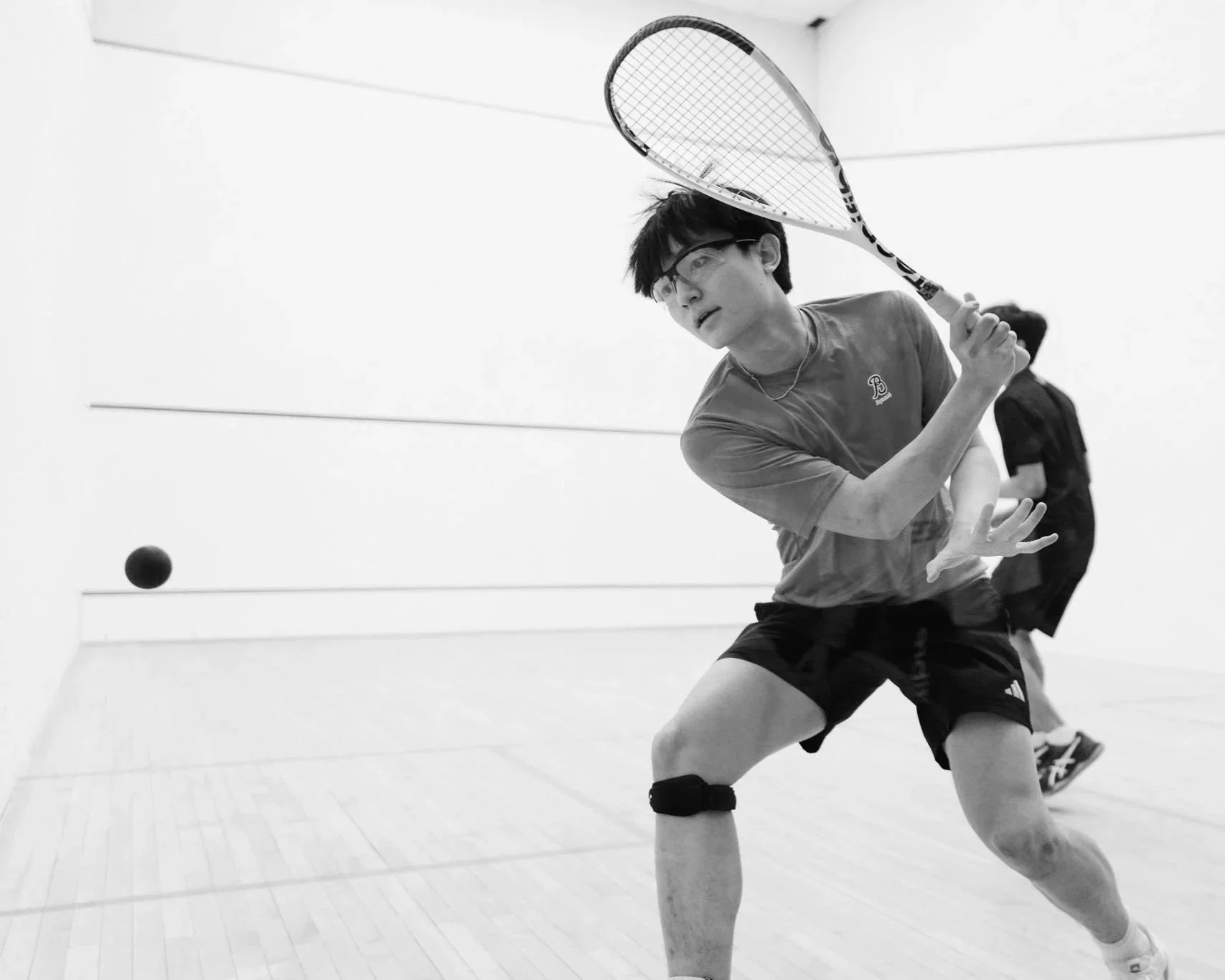
When I was in college, my roommate asked me if I’d like to play a squash match against him. I had never tried the game, but nonetheless agreed, in part because I thought I’d wipe the court with my buddy; after all, I fancied myself a hotshot college basketball player, while my roommate’s aversion to exercise was the stuff of dormitory legend. About three minutes into our match, however, I realized that I was being undone not just by my hubris, but by my friend’s steady, patient command of angles, positioning, and pace. In play, my roommate—drawing upon skill developed with the game as a kid—barely moved, while I flailed about and crashed into walls like a tipsy giraffe. An hour later, having taken two points in total, I summoned the maturity of a 19 year-old toddler: I declared the game silly, and resolved never to play again.
It says something significant about the Browning squash program, then, that it has become one of my favorite things to follow during our winter sports season. Some of this certainly stems from the excellence of our play, as the varsity team won its league tournament titles, and excelled in statewide competition. But while I applaud their skill, what I enjoy most is what the game and the team ask of our players. Like golf, tennis, and some other team sports, squash requires participants to also act as the match’s umpires, which adds moral weight to the contest—and demands that our boys consistently keep Browning notions of honesty, dignity, and integrity at the front of their minds, even in the throes of competition. And squash is also one of the rare sports (again, like golf and tennis) where boys in both the Middle and Upper School can play on the varsity squad. This kind of interage camaraderie so often draws out the best of boys of all ages—leadership from the older guys, focus from the younger—and is particularly helpful in maintaining our “One Browning” commitment to togetherness, even as the Middle and Upper Schools occupy two school buildings. So, while I love to see our squash athletes in top playing form at the Harmonie Club, I just as often attend to see how they are upholding the values of the game, and how they are supporting one another.
And squash, of course, is not the sole arena where our winter athletes have thrived. Growing up, I played a lot more table tennis—“ping-pong,” in the language of my youth--than I did squash, but what our table tennis team does with its rackets surpasses anything I could have imagined pulling off in my friend’s rec room. Once more, there is incredible virtue in their actual game play, as the boys rolled to a regular season league championship, on their way to the best team season in school history. But what is most impressive about table tennis is what is most impressive about squash, namely the capacity of the boys to monitor their own rules in the run of play, and the esprit de corps that is found among teammates whose ages can range from 12 to 18. In its athletic prowess, its ethical rectitude, and its inclusive sociability, table tennis at Browning realizes so many of our community’s aspirations for itself.
To be sure, it’s not just our racquet sports that offer reason for school pride this winter. Our winter runners, who often train in harsh climes and compete in distant arenas, deserve their admiration for their commitment to an unforgiving athletic discipline--and for doing so with unironic smiles on their faces. Similarly, a hearty tip of the cap goes to our Browning wrestling “team,” which actually consists of one Upper School boy who trains at a peer school, maintains his weight and fitness during the dark months of winter, and wins almost every time he sets foot on the mat. Wrestling is hard enough when one has the support structure of a home team; it’s something else entirely when one is a solo pioneer. Finally, there are our basketball teams, from Grade 6 through Varsity, who have brought energy and passion and more than a few victories to our new gymnasium on East 64th Street. There’s something delightful about seeing our younger players in particular entering the space, almost like spiritual pilgrims entering a house of worship, and then giving their all between the lines. And when we’re fortunate enough to win these contests, the ritual of sticking a new number to the wall tally of home victories vests it all with togetherness and joy.
Not all Browning boys are athletes, and not all Browning boys need to be athletes—but it’s nice to see so many of our guys excelling, persevering, and connecting in the realm of sport. Even in the games that the small-minded among us once regarded as silly.